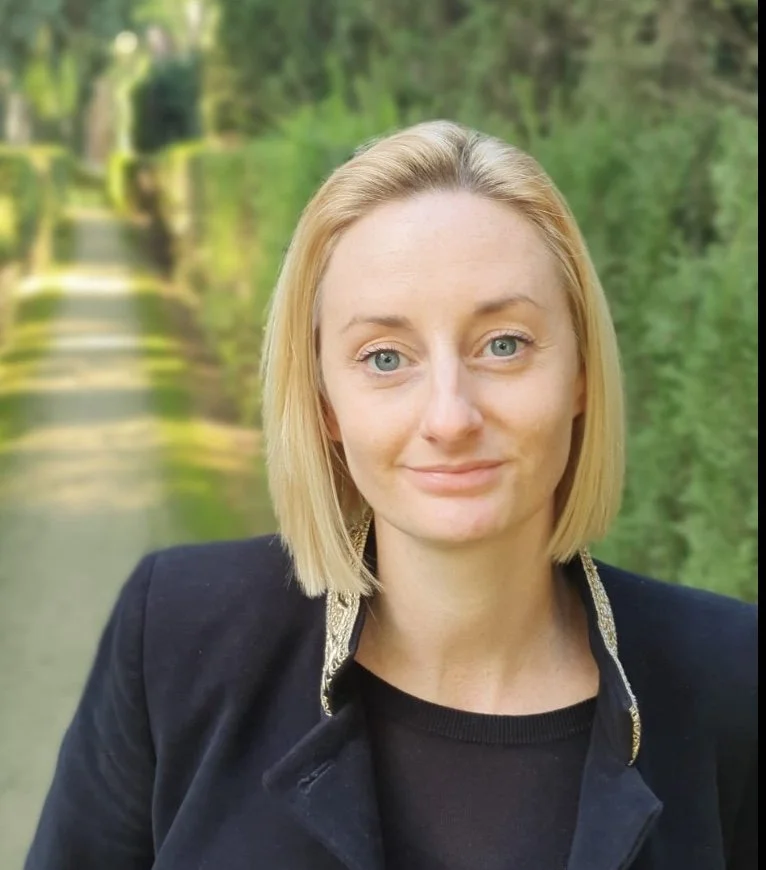
Complex Trauma, PTSD, Developmental and Attachment Trauma Therapy With Catriona Armstrong.
Catriona is a Sevilla-based, BACP-registered therapist specialising in complex trauma, PTSD, developmental trauma and attachment difficulties. She works with individuals who struggle with emotional dysregulation, overwhelming feelings, anxiety, shame, guilt, flashbacks and longstanding patterns that affect their sense of self and relationships.
Her trauma-informed, attachment-based approach focuses on understanding how early experiences, difficult relationships and unresolved trauma can shape the nervous system, emotional responses and ways of relating to others. Recognising that trauma can affect our sense of safety, trust and connection, she places particular importance on emotional safety, stabilisation and working at a pace that feels manageable.
Her work focuses on helping clients develop a deeper understanding of their experiences and emotional responses, strengthen their capacity to regulate difficult emotions and gradually move towards a greater sense of safety, connection and self-worth. Sessions are available in person in Sevilla and online across Spain, the UK and Europe.
Complex Trauma
Complex trauma often develops through repeated experiences of emotional neglect, abuse, instability or feeling unsafe, particularly during childhood. It can affect how we regulate our emotions, see ourselves and relate to others, often leading to anxiety, shame, overwhelming emotions and difficulties with trust.
Therapy focuses first on developing emotional safety, awareness and regulation before gradually exploring and processing traumatic experiences at a manageable pace. The aim is to reduce the impact of the past and develop a greater sense of stability, connection and self-worth.
PTSD
Post-traumatic stress disorder (PTSD) can develop after experiencing or witnessing a traumatic event that overwhelms our ability to cope. It can leave the nervous system in a heightened state of alert, leading to flashbacks, nightmares, anxiety, emotional distress and a persistent sense of danger, even when we are safe.
Therapy initially focuses on developing emotional safety, stabilisation and regulation before gradually processing traumatic memories at a manageable pace. The aim is to reduce the emotional impact of these experiences, helping individuals feel safer, more grounded and less controlled by the past.

Why Is Trauma Therapy Different from Traditional Talking Therapy?
Traditional talking therapy often focuses on exploring our thoughts, feelings and experiences to develop greater self-understanding. While this can be extremely valuable, trauma can affect us in ways that go beyond what we consciously think or understand.
Traumatic experiences can change how our nervous system responds to stress, leaving us feeling constantly on edge, overwhelmed by emotions or disconnected from ourselves and others. We may understand intellectually why we react in certain ways, yet still struggle to control those reactions. This is because trauma can activate automatic emotional and physical survival responses that are not easily changed through insight alone.
Trauma therapy recognises that understanding our experiences is only one part of recovery. It also focuses on developing emotional safety, recognising triggers, understanding protective responses and strengthening our ability to regulate difficult emotions.
For people who have experienced complex or prolonged trauma, exploring painful memories before developing sufficient emotional stability can sometimes lead to increased distress or dysregulation. For this reason, trauma therapy often places particular importance on stabilisation and building the capacity to manage overwhelming feelings before moving into deeper trauma processing.
This doesn't mean avoiding the past, but approaching it carefully, at a pace that feels manageable. Therapy may involve gradually processing traumatic experiences, exploring longstanding beliefs and relationship patterns, and developing new ways of responding to situations that previously felt threatening.
The aim is not simply to understand why we feel the way we do, but to help us feel and respond differently, reducing the impact of past experiences and developing a greater sense of safety, stability and connection in our everyday lives.
Areas Worked With:
Emotional Dysregulation
People-Pleasing and Difficulty Setting Boundaries
Depresssion and Anxiety
Low self-Worth and Negative Self-Beliefs
Attachment and Relationship Difficulties
Anxiety and Hypervigilance
Flashbacks and Intrusive Memories
Relationship and Attachment Difficulties
Nightmares and Sleep Difficulties
Avoidance and Withdrawal
Emotional Numbness and Disconnection
Shame, Guilt and Self-Criticism
Difficulties with Identity and Sense of Self
Get in Touch
A complimentary 20-minute consultation is available to discuss your needs and see whether working together would be helpful.
You’re welcome to share as much or as little as feels comfortable.